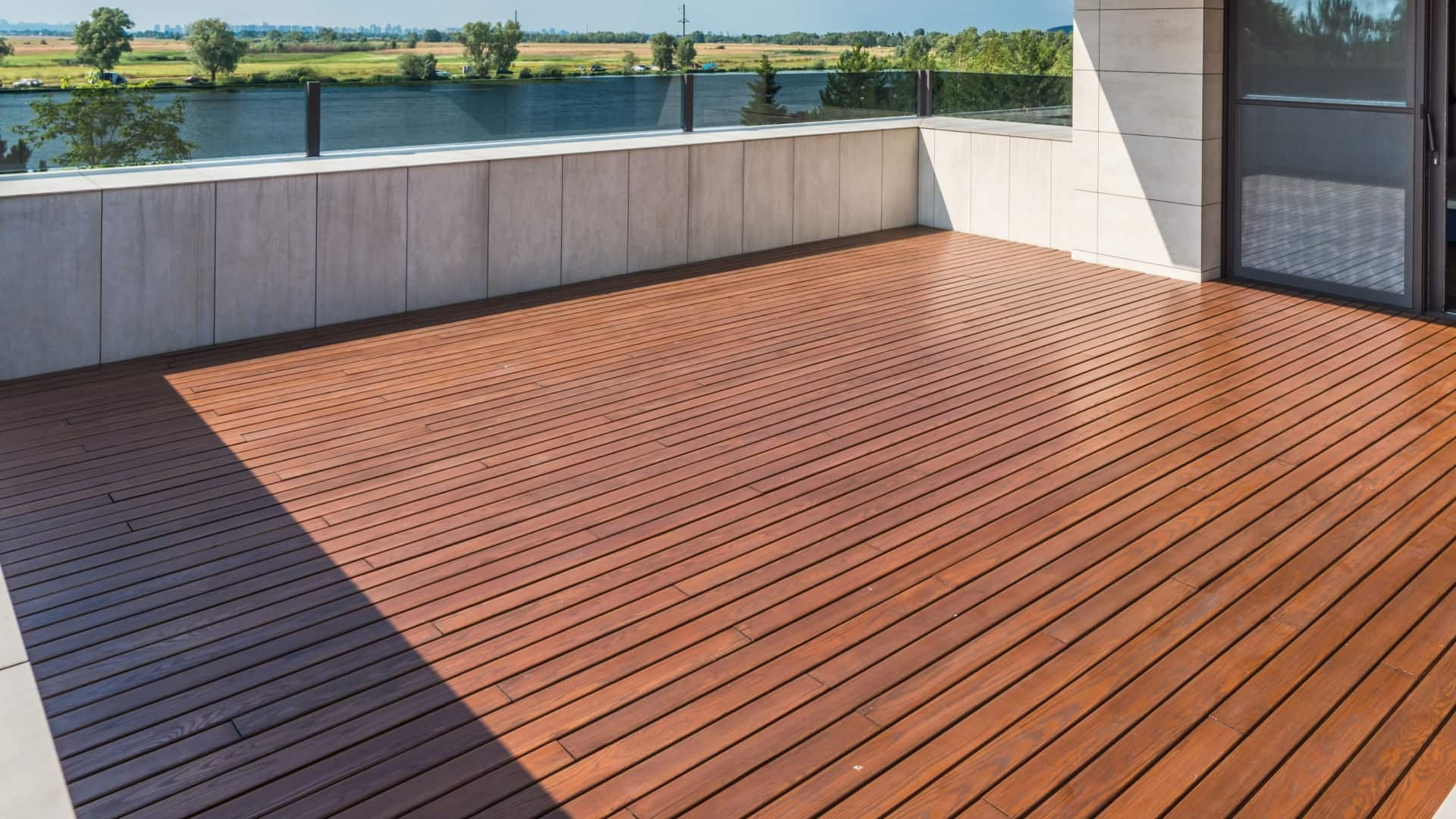
What Makes Professional Deck Sealing Last Longer Than DIY Applications in Richmond, VA?
Richmond homeowners often ask why professional deck sealing lasts longer than do-it-yourself products. The short answer is that trained crews match top-tier materials with climate-smart timing and precise application methods. That winning mix helps decks in neighborhoods like Church Hill, The Fan, and the West End resist UV, humidity, and sudden summer storms. If you want results that hold up through Richmond's sticky summers and freeze-thaw winters, professional deck sealing is the proven path.
Before we dig in, you can learn more about our approach to deck sealing right from the start of your project planning.
Why Professional Deck Sealing Lasts Longer In Richmond
Richmond's coastal-influenced climate is tough on wood. Long stretches of humidity, afternoon pop-up showers, and strong sun can push store-bought sealers to their limits. Professionals plan around those variables and use products designed for higher UV exposure, deeper penetration, and better water repellency. They also track moisture levels in the boards, which is critical after spring rains or when remnants of tropical systems sweep through Central Virginia in late summer.
Longevity comes from controlling the details that most DIY jobs miss. Pros focus on wood condition, product chemistry, application thickness, and dry times that fit our weather. Those choices reduce early fading, peeling, and blotchy wear patterns on stairs, railings, and high-traffic zones.
Surface Preparation Richmond Pros Handle The Right Way
How you prepare the deck often decides how long the sealer will last. Professional crews evaluate wood type, prior coatings, shade patterns, and problem areas like end grain, checks, and cupped boards. They also spot repairs early, such as lifted fasteners or loose balusters, so the finish is not compromised.
- Evaluation: Pressure-treated pine is common around Glen Allen, Short Pump, and Midlothian. It behaves differently than cedar and older hardwoods found on historic porches in Church Hill.
- Cleaning: Pros choose solutions that remove grime and mildew without leaving residues that block penetration.
- Sanding touch-ups: Feathering rough patches and blending previous wear marks leads to a more even finish.
- Moisture checks: Crews confirm the deck is dry enough to seal after rain or morning dew.
Never seal over damp boards because trapped moisture can cause cloudiness, premature wear, and blotchy color. Professionals time projects to avoid those pitfalls so the sealer bonds the way it should.
Better Products And Weather-Smart Scheduling
There are major differences between retail and professional-grade sealers. Many pro products have higher solids, better UV inhibitors, and resins that bond more tightly to seasoned wood. These formulas are built to endure the hot, sunny stretches Richmond sees from June through September, plus shoulder-season swings in April and October.
Scheduling matters just as much as the product. Professionals aim for stable temperatures and lower wind so the sealer can level evenly. They plan around pollen peaks in spring and leaf drop in fall, both of which can ruin a fresh coat if they settle on wet surfaces. Smart timing protects the finish during the first hours and days when it is most vulnerable.
Local insight: Early summer and early fall often bring the best sealing windows in Richmond. Avoid heavy pollen bursts in late April and sudden late-day thunderstorms in July that can spot or wash a fresh coat.
Application Techniques That Improve Durability
Even the best sealer underperforms if it is not applied correctly. Professional techs control coverage rates, maintain a wet edge, and back-brush for consistent penetration. They also adjust tools for tight spaces on porch steps and lattice panels common in Richmond bungalows.
Two areas often separate pro work from DIY:
- Edges and details: Railings, spindles, and stair nosings get more sun and water. Pros tune their technique for these high-wear spots so the protection is uniform.
- End grain: This is where wood drinks in water fastest. End-grain sealing is non-negotiable if you want to prevent swelling and early rot at cut ends.
Consistency also matters with color retention. Uneven film thickness or skipped boards will fade faster, leading to patchwork wear that forces early touch-ups. Pros check their work in different light and correct thin spots before the product cures.
Coverage Consistency And Quality Control
Longevity is tied to even coverage across the entire deck. Professionals calculate the right amount of product for square footage and wood condition, then verify it during application. They pay attention to sun-exposed sections along south-facing railings and high-traffic routes from the kitchen door to the grill.
Quality control often includes:
- Checking absorption so boards are not over- or under-sealed
- Watching for lap marks at board joints
- Touching up edges and screw heads where water can sneak in
These checks take time but they add seasons of performance. When the whole deck receives uniform protection, water beads longer and UV breakdown slows, so the finish looks better for more of the year.
Richmond Weather, Wood Movement, And Why It Matters
Wood moves as humidity and temperature change. In Richmond, we see humid nights, bright midday sun, and chilly mornings in late fall. That cycle causes boards to expand and contract, which strains a thin or brittle finish. Professional-grade sealers are chosen for flexibility so they move with the wood.
Pros also consider deck orientation and shade. A deck in the West End with full afternoon sun needs a plan that prioritizes UV resistance. A shaded Bon Air deck may battle mildew and slow drying instead. Tailoring the product and schedule to each setting makes the finish last longer.
Maintenance Planning That Extends The Life Of Your Finish
Professionals think beyond day one. They outline a sensible maintenance rhythm based on your deck's exposure and use. That might include light cleanings after heavy pollen, quick rinses following summer cookouts, and seasonal checks for wear at traffic lanes.
Look for these early signs that your sealer is tiring:
- Water no longer beads and starts to darken the wood
- Color fading on stair treads and rail caps long before the rest
- Rough or splintering patches where sun and foot traffic meet
A planned checkup helps you touch up before damage sets in. It is the difference between a simple refresh and a deeper surface rehab later.
Safety, Cleanliness, And Responsible Disposal
Professional crews protect nearby landscaping, siding, and hardscapes. They stage equipment to avoid tracking product into the home and clean up on the same day. Just as important is safe handling of rags and containers. Some products can self-heat in the wrong conditions, and responsible disposal keeps your household safe.
Crews also mask door thresholds and prepare walking paths so family members and pets do not step on a curing surface. That attention prevents footprints and grit from getting locked into the finish.
Comparing Outcomes: Professional Vs. DIY
DIY sealing may look good at first, but differences often show in the second and third seasons. Sun-facing rails lighten faster, high-traffic areas wear thin, and color turns blotchy where the deck held dew. Professional work aims to delay all of that with better prep, the right chemistry, and even coverage. It is a longer-lasting shield against Richmond's mix of heat, humidity, rain, and winter chill.
Think about your deck like a raincoat. A cheap coat might repel the first shower, but seams leak and fabric fades fast. A quality coat with sealed seams and better material holds up year after year. Consistency is king when it comes to protecting wood, and pro sealing delivers that consistency.
How To Choose A Deck Sealing Partner In Richmond
Choose a company that explains product options in plain language and why one fits your deck better than another. Ask how they plan for local weather and what they do when a surprise shower pops up. You should also hear a clear plan for edges, end grain, and stairs because those are the first places to fail if they are rushed.
Reputable teams share what the first 48 hours after application should look like. They also provide guidance for light maintenance so the finish reaches full cure without scuffs or stains. If you want to understand methods and materials before work begins, explore how our local deck sealing team approaches preparation and application step by step.
Neighborhood Examples And Common Concerns
In Mechanicsville and Glen Allen, open backyards can mean all-day sun and more UV stress. Porch decks in The Fan or Church Hill often deal with shade, tight access, and historic details like turned spindles. Each setting changes how a pro approaches the project. That is why a walk-through matters more than a one-size-fits-all plan.
Another Richmond factor is seasonal debris. Spring pollen can settle like dust and interfere with curing. Fall leaves can stick to a fresh coat if the schedule is off by a day. Professionals time work to avoid those headaches, and they return for touch-ups if an unexpected squall line pushes through during curing.
When Your Deck Needs More Than Sealing
Sealing is not a cure-all for structural issues. Loose railings, soft spots, or widespread checking may call for repairs before finishing. Pros will flag those issues so the final result is safe and long-lasting. They can coordinate simple fixes that help the sealer do its job, especially around stair stringers and post bases where splashback and rot can start.
The Value Of Documentation And Follow-Up
Professional crews keep notes on product, color, and application date. That record makes future refreshes more predictable and avoids mismatched color on touch-ups. It also helps schedule maintenance before the finish reaches a failure point in sunniest areas like south-facing rail caps.
Expect a brief check-in after the first rain or two. If water is not beading as expected in high-traffic zones, a quick visit can fortify those spots so the whole deck wears evenly.
The Bottom Line For Richmond Homeowners
Professional deck sealing costs more attention upfront, but it pays off across seasons. Better prep and product chemistry fight UV, humidity, and stormy afternoons. Careful application and even coverage reduce early fading and blotches. Planned follow-up and maintenance keep the finish strong so you enjoy more weekends on the deck and fewer headaches.
Ready for professional deck sealing that lasts in Richmond? Call Seal Strong VA LLC at 804-210-2420 to plan your project in the right weather window.

Our Service Areas
We proudly provide professional sealing services throughout Richmond, VA, and the surrounding communities. Our team helps homeowners protect decks, fences, concrete, pavers, and other outdoor surfaces with durable sealing solutions.
- Richmond, VA
- Midlothian, VA
- Henrico, VA
- Glen Allen, VA
- Brandermill, VA
- Tuckahoe, VA
- Wyndham, VA
- Bon Air, VA
- Manakin-Sabot, VA
- Mechanicsville, VA
- Hanover, VA
- Louisa, VA
Our Complete Services
Protecting your deck and exterior surfaces helps preserve their appearance and extend their lifespan. We provide professional sealing solutions for wood decks and concrete surfaces to help guard against moisture, weather exposure, and everyday wear. Contact us or complete our contact form to learn more about protecting your property.
- Deck Sealing
- Deck Staining
- Fence Sealing
- Fence Staining
- Concrete Sealing
- Paver & Brick Sealing
- Dock Sealing
- Commercial Sealing